

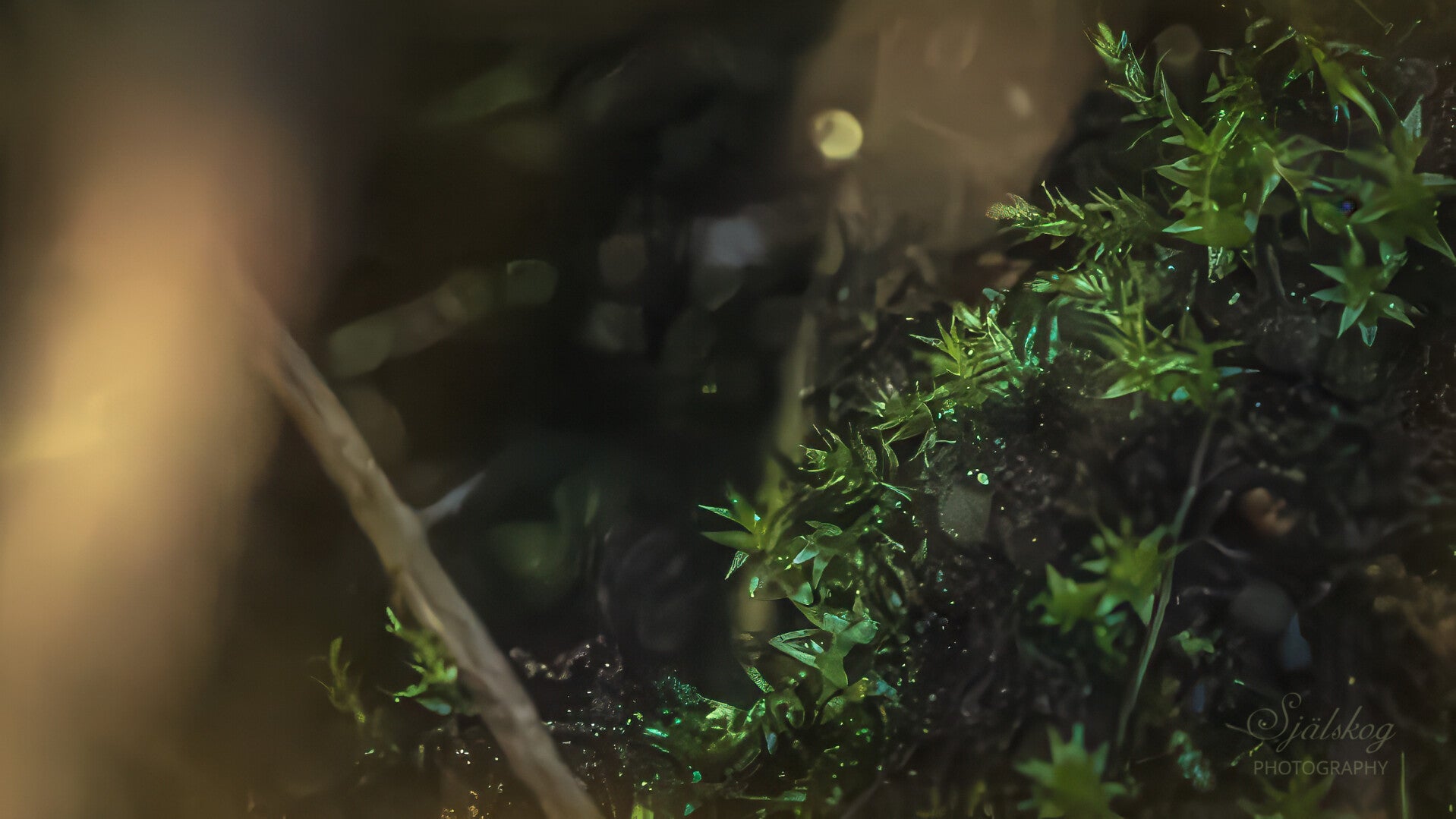
Recently, I decided to embark on an exciting new adventure: Macro Photography.
With absolutely no prior experience in this field, I'm diving headfirst into a world that’s both thrilling and challenging. What excites me the most is the opportunity to explore the intricate details of everyday objects, things we often overlook.
Macro photography offers a chance to view the world from a completely different perspective, revealing textures, patterns, and details otherwise invisible to the naked eye.
While I know there’s a lot to learn—techniques, equipment, lighting, and patience—I find myself motivated by the challenge. This is my chance not only to improve my photography skills but also to expand my perspective on the world around me. It’s a fresh start, and I can’t wait to capture the beauty in the small things that make up our big, beautiful world.



The Hidden Wisdom: What Macro Symbolizes
A Shift in Perspective: Macro is a rebellion against the grand, sweeping narrative. It argues that the most profound truths are found not in the shouting wind across the fjord, but in the silent, intricate geometry of a snowflake that lands on your sleeve. It is a metaphor for finding solutions and meaning in life by looking at the details rather than being overwhelmed by the big picture.
The Universe in the Detail: This is the core tenet. The same forces of physics, biology, and time that shape mountains and galaxies also shape the vein of a leaf. Macro reveals that the universal is present in the particular, reminding us that every small life and every minute detail is a microcosm of the whole.
The Beauty of Imperfection and Resilience: Nordic nature is harsh. Macro doesn't just capture pristine beauty; it captures the struggle. A torn wing, a decaying leaf, a fungus breaking down wood. It celebrates the tenacity of life, finding beauty not just in perfection, but in the scars, the decay, and the fierce will to exist against the odds. It is a story of stoic resilience.
A Meditation on Time: To engage in macro photography is an act of extreme patience. You must wait for the wind to die, for the light to be perfect, for the subject to be still. This process mirrors the slow, patient timescale of nature itself. It teaches the wisdom of stillness and observation in a world that constantly rushes. It connects the photographer and the viewer to a more deliberate, natural rhythm of time.